

Pengenalan: Dharavi Di Balik Berita
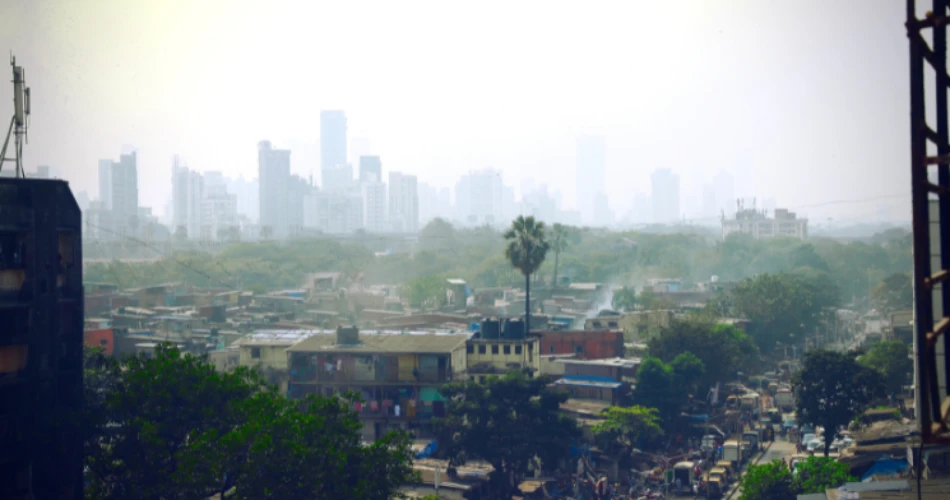
Dharavi, yang terletak di jantung Mumbai, sering digambarkan sebagai daerah kumuh terbesar di Asia. Meluas di atas dua kilometer persegi, tempat ini menjadi rumah bagi hampir satu juta orang. Namun, Dharavi jauh lebih dari sekadar statistik. Ini adalah ekosistem yang dinamis dari ketahanan, budaya, dan usaha yang telah mendapatkan pengakuan global. Dari industri kulitnya yang ramai hingga bisnis keramik dan tekstil yang berkembang, Dharavi menunjukkan bagaimana inovasi dan bertahan hidup dapat berjalan beriringan.
Sementara sering digambarkan dalam media sebagai simbol kemiskinan, kisah nyata Dharavi adalah tentang tekad dan semangat manusia. Berjalan melalui gang-gang sempitnya, seseorang dapat menyaksikan komunitas yang telah mengubah kesulitan menjadi peluang. Dalam blog ini, kami menjelajahi perjalanan luar biasa Dharavi, industri-industri yang berkembang, dan budaya yang mengikatnya bersama.
Sejarah dan Evolusi Dharavi
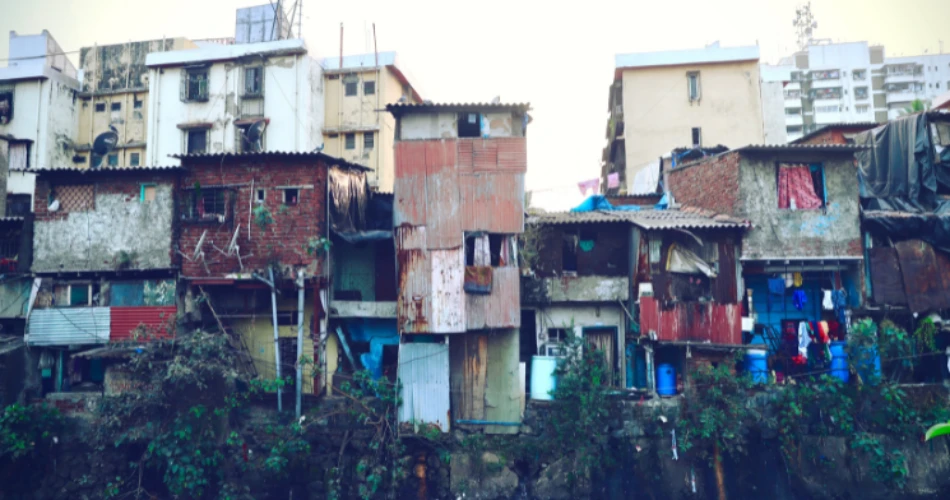
Kisah Dharavi dimulai pada akhir abad ke-19 ketika didirikan oleh para migran yang datang ke Mumbai untuk bekerja. Awalnya sebuah desa nelayan, secara bertahap berubah seiring dengan kedatangan orang-orang dari seluruh India yang menetap di sini. Selama beberapa dekade, Dharavi menjadi tempat berkumpulnya berbagai komunitas, bahasa, dan tradisi.
Kekurangan perumahan formal memaksa penduduk untuk membangun tempat tinggal sementara, memberi Dharavi tata letak yang padat yang menjadi ciri khasnya. Meskipun infrastruktur terbatas, penduduk berhasil menciptakan mata pencaharian, menjadikannya salah satu pemukiman yang paling mandiri di dunia. Saat ini, Dharavi telah berkembang menjadi pusat inovasi, di mana industri kecil berkembang di setiap sudut.
Pemukiman kumuh ini sering dianggap sementara oleh pihak berwenang, namun telah bertahan selama lebih dari satu abad. Evolusinya mencerminkan urbanisasi cepat Mumbai dan ketahanan penduduknya. Dharavi adalah bukti adaptabilitas manusia di salah satu lingkungan hidup terberat di dunia.
Industri Kecil yang Berkembang di Dharavi
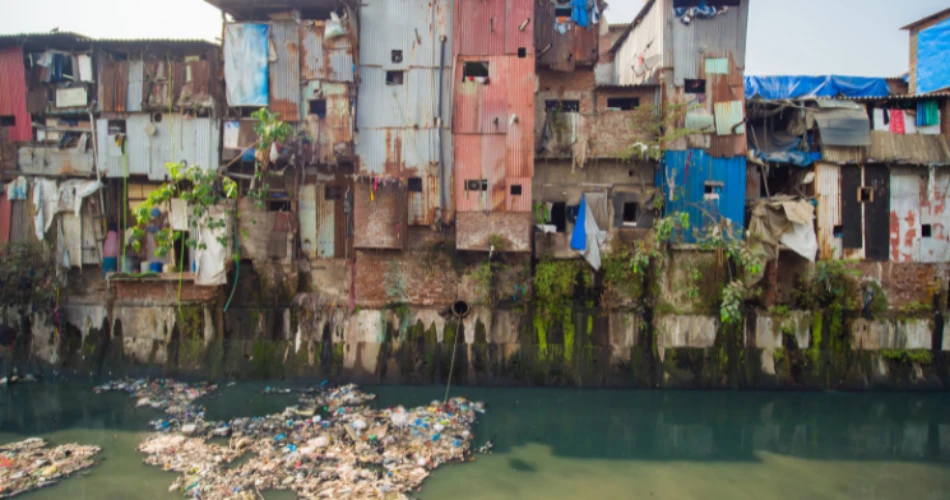
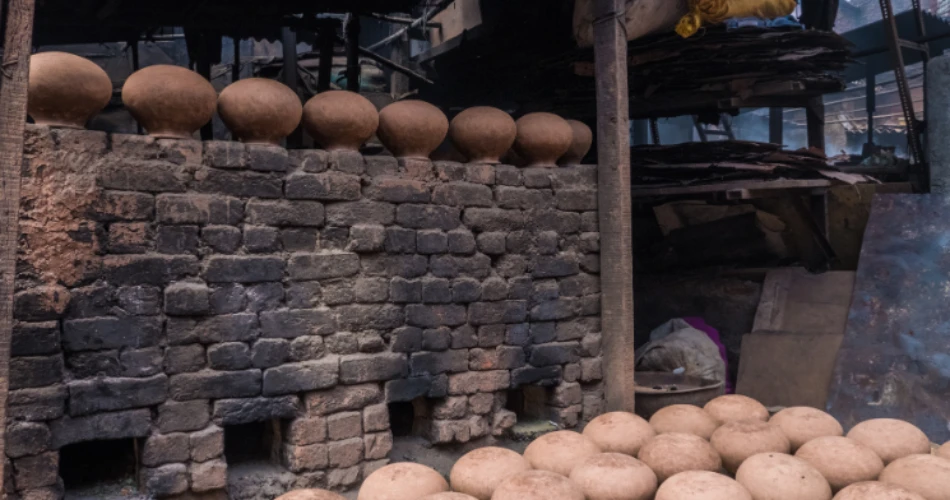
Salah satu aspek paling luar biasa dari Dharavi adalah kontribusi ekonominya. Meskipun merupakan kawasan kumuh, Dharavi menghasilkan lebih dari USD 1 miliar setiap tahun melalui industri seperti barang kulit, tekstil, keramik, daur ulang, dan produksi makanan. Bengkel kecil beroperasi di dalam rumah, mengubah ruang terbatas menjadi bisnis yang berkembang pesat.
Industri kulit sangat terkenal, memproduksi tas, sabuk, dan aksesori berkualitas tinggi yang diekspor ke seluruh dunia. Pengrajin dari Gujarat dan pengrajin dari Tamil Nadu membawa keterampilan tradisional mereka, menjadikan Dharavi sebagai pusat keragaman budaya dan ekonomi. Industri daur ulang adalah cerita sukses lainnya—Dharavi memproses sebagian besar limbah plastik Mumbai, menunjukkan model ekonomi sirkular yang berkelanjutan.
Industri-industri ini tidak hanya mempertahankan mata pencaharian tetapi juga menantang stereotip, membuktikan bahwa bakat dan inovasi dapat berkembang bahkan di lingkungan yang paling sulit.
Mosaik Budaya Dharavi
Di luar ekonomi, Dharavi adalah kekuatan budaya. Orang-orang dari Maharashtra, Tamil Nadu, Uttar Pradesh, Gujarat, dan tempat lainnya tinggal di sini, menciptakan campuran budaya yang hidup. Festival seperti Ganesh Chaturthi, Eid, dan Diwali dirayakan dengan semangat yang sama, mencerminkan persatuan dalam keberagaman.
Seni juga berkembang di Dharavi. Pemuda setempat telah mengadopsi hip-hop, grafiti, dan seni jalanan, mendapatkan pengakuan internasional. Keberagaman budaya Dharavi telah disorot dalam film, dokumenter, dan bahkan blockbuster Bollywood. Meskipun ruang yang sempit, penduduk telah menciptakan teater, sekolah, dan kelompok seni, menunjukkan kekuatan kreativitas yang digerakkan oleh komunitas.
Dharavi mewakili lebih dari sekadar bertahan hidup—ia mewujudkan kebanggaan, tradisi, dan ekspresi. Bagi pengunjung, ini menawarkan kesempatan langka untuk merasakan keberagaman budaya India yang terkompresi ke dalam satu lingkungan.
Hidup Sehari-hari di Dharavi
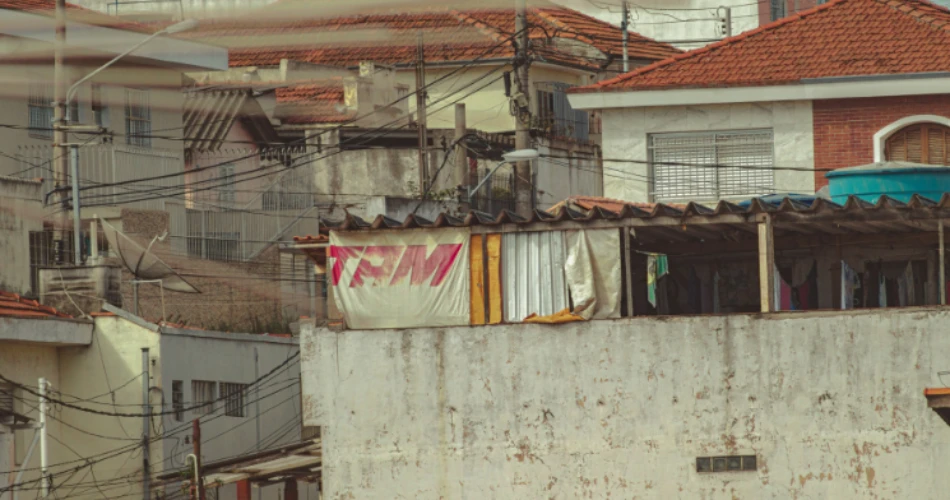
Hidup di Dharavi ditandai oleh kontras. Jalan-jalan sempit, keran air bersama, dan rumah-rumah yang padat mencerminkan tantangan, tetapi semangat komunitas menjadikannya luar biasa. Keluarga-keluarga tinggal di ruang kecil, sering kali menggabungkan rumah dengan bengkel, mengaburkan batas antara kehidupan domestik dan profesional.
Meski infrastruktur terbatas, penduduk menghargai pendidikan, dan sekolah-sekolah di dalam Dharavi melahirkan siswa-siswa cerdas yang bermimpi lebih dari sekadar lingkungan mereka. Perempuan memainkan peran penting, menyeimbangkan tanggung jawab rumah tangga dengan usaha wirausaha. Rasa kebersamaan sangat mencolok—tetangga berbagi sumber daya, saling mendukung, dan merayakan tonggak sejarah sebagai suatu kolektif.
Kehidupan sehari-hari di Dharavi bukan hanya tentang kesulitan—ini tentang harapan, ketekunan, dan kemauan untuk menciptakan peluang dari kelangkaan.
Dharavi sebagai Pengalaman Wisata
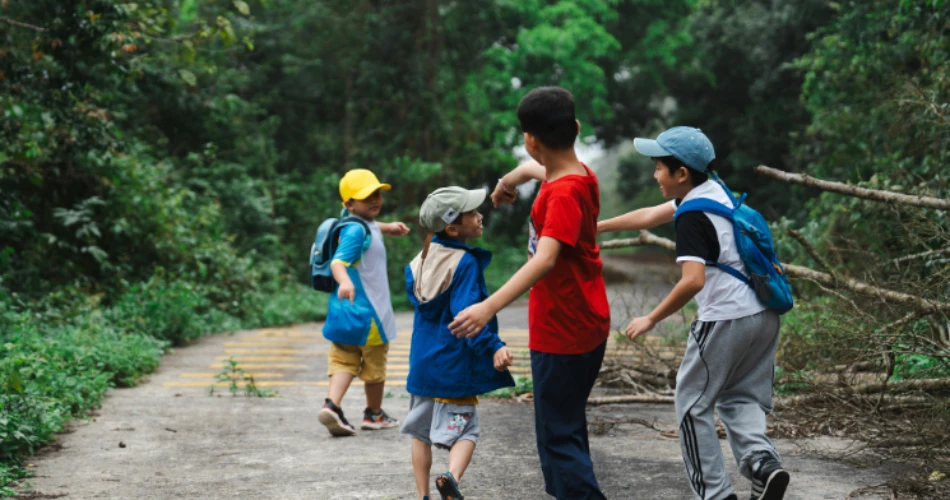
Selama dekade terakhir, Dharavi telah menjadi daya tarik wisata yang unik. Tur berpemandu memungkinkan pengunjung untuk mengalami industri yang dinamis, pusat budaya, dan proyek komunitasnya. Tur ini dirancang untuk menghancurkan stereotip, menawarkan pandangan autentik tentang ketahanan dan kreativitas Dharavi.
Pengunjung sering kali meninggalkan dengan perspektif yang berubah—memahami Dharavi bukan sebagai simbol kemiskinan tetapi sebagai model usaha manusia. Pariwisata yang bertanggung jawab juga mendukung inisiatif lokal, menciptakan peluang kerja dan mendanai program pendidikan.
Para pelancong yang mencari pengalaman autentik dan tidak biasa di Mumbai menemukan tur Dharavi sangat transformatif. Ini bukan tentang voyeurisme tetapi tentang memahami bagaimana komunitas berkembang meskipun menghadapi berbagai tantangan.
Tantangan dan Jalan ke Depan
Meski telah mencapai banyak hal, Dharavi menghadapi tantangan mendesak. Kepadatan penduduk, sanitasi yang tidak memadai, dan kurangnya fasilitas kesehatan tetap menjadi masalah utama. Proyek pembangunan kembali telah diajukan berkali-kali tetapi menghadapi penolakan karena kekhawatiran tentang penggusuran dan hilangnya mata pencaharian.
Warga khawatir bahwa pembangunan kembali skala besar dapat merobohkan ekosistem industri dan jaringan komunitas yang rapuh. Apa yang dibutuhkan Dharavi adalah perencanaan kota yang bijaksana yang menyeimbangkan modernisasi dengan pelestarian usaha dan budayanya.
Masa depan Dharavi terletak pada solusi yang memberdayakan warga alih-alih menggantikan mereka. Dengan investasi yang tepat dalam infrastruktur dan pendidikan, Dharavi memiliki potensi untuk menjadi tidak hanya kumuh terbesar di Asia, tetapi juga model global untuk pertumbuhan yang dipimpin komunitas.
Kesimpulan: Signifikansi Global Dharavi
Dharavi berdiri sebagai pengingat kuat bahwa ketahanan, kreativitas, dan usaha dapat berkembang bahkan dalam kondisi yang paling keras. Ini lebih dari sekadar daerah kumuh terbesar di Asia—ini adalah simbol hidup dari semangat manusia. Dari industri yang berkembang pesat hingga vibransi budayanya, Dharavi menginspirasi pengunjung, pengusaha, dan pembuat kebijakan.
Bagi Mumbai, Dharavi bukan hanya sebuah pemukiman tetapi juga denyut nadi kota. Bagi dunia, ini adalah kisah transformasi, persatuan, dan harapan. Menjelajahi Dharavi berarti menjelajahi esensi ketahanan dan kecerdikan manusia.