

Giriş
Malabar Tepesi'nin zirvesinde yer alan Mumbai'nin Asma Bahçeleri, diğer adıyla Pherozeshah Mehta Bahçeleri, parlayan Arap Denizi'ne bakan yemyeşil bir kaçış noktasıdır. 19. yüzyılın sonlarında inşa edilen bu güzel tasarlanmış teras bahçesi, ziyaretçilere doğanın, tarihin ve panoramik şehir manzaralarının mükemmel bir karışımını sunmaktadır. Yerel halk için, Mumbai'nin kalabalık sokaklarından huzurlu bir kaçışken, turistler için mutlaka görülmesi gereken bir cazibe merkezi olarak değerlendirilmektedir. Eşsiz düzeninden efsanevi hikayelerine kadar, Asma Bahçeler Mumbai'nin en çok sevilen simgelerinden biri olmaya devam etmektedir.
Ağaçlı Bahçelerin Tarihi ve Mirası
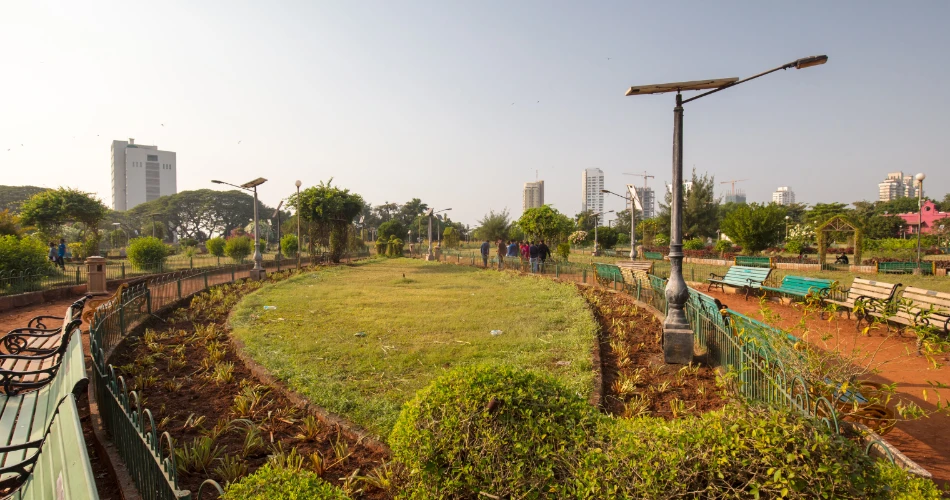
Ağaçlı Bahçeler, sosyal aktivist Pherozeshah Mehta'nın onuruna 1881 yılında Ulhas Ghapokar tarafından düzenlenmiştir. Bahçelerin resmi adı bu kişiden gelmektedir. Oluşumlarının arkasındaki en ilginç nedenlerden biri pratik bir amaç taşımaktaydı—Malabar Tepesi'nin altında bulunan şehrin su rezervuarını korumak. Tankları peyzajlı yeşilliklerle kaplayarak, planlamacılar suyu kontaminasyondan korurken aynı zamanda Mumbai'ye pitoresk bir kamu parkı kazandırdılar.
Arap Denizi'ni Gösteren Manzaralı Bir Kaçamak
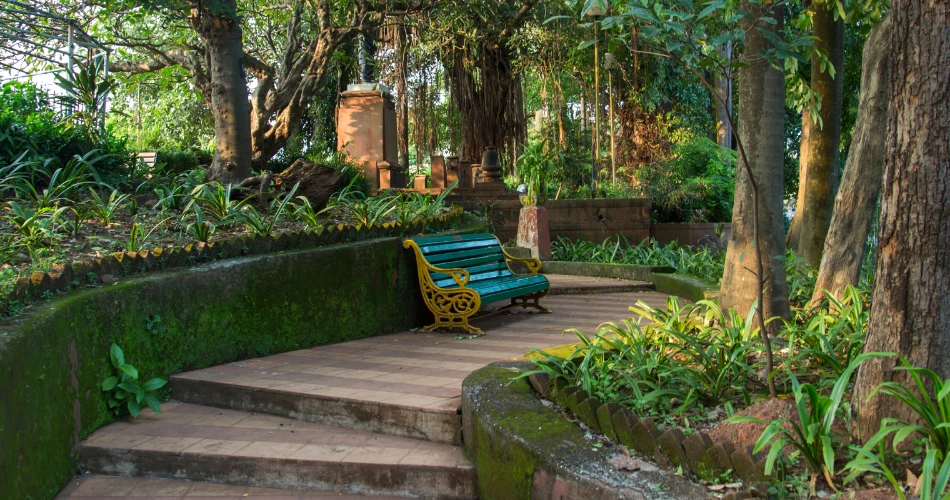
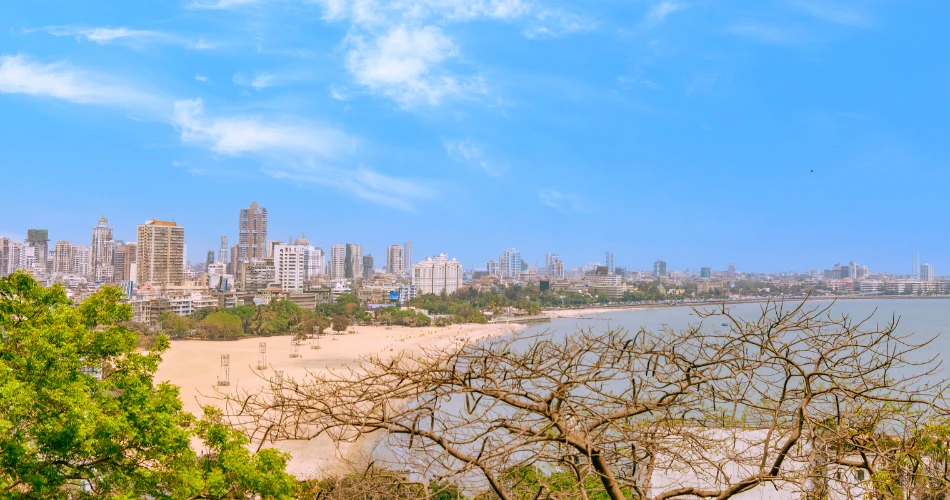
Bahçenin en dikkat çekici özelliklerinden biri, sunduğu manzaradır. Malabar Tepesi'nde yüksek bir konumda bulunan bahçeler, Arap Denizi'nin ve ünlü Marine Drive Kraliçe Kolyesi'nin geniş manzaralarını sunar. Gün batımında, gökyüzü altın tonlarında parlayarak kıyı boyunca yansımalar oluşturur ve bu da burayı fotoğrafçıların cenneti haline getirir.
Ziyaretçiler genellikle hışırtılı yaprakların sesi ve deniz melteminin getirdiği huzur hissinden bahsederler. İster Güney Mumbai'nin panoramik manzarasını görmek isteyen bir turist olun, ister huzurlu bir köşe arayan bir yerel, Asma Bahçeler eşsiz bir kaçamak sunar.

Özgün Bahçe Tasarımı ve Çekicilikler
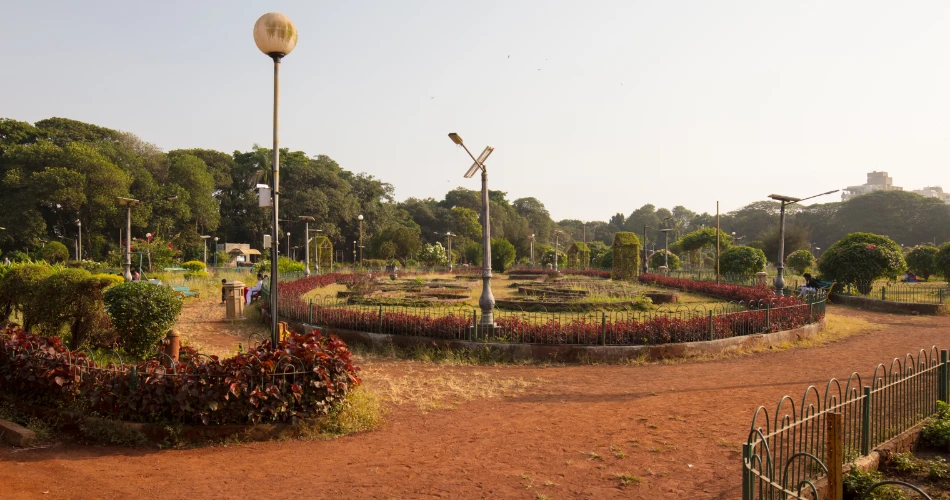
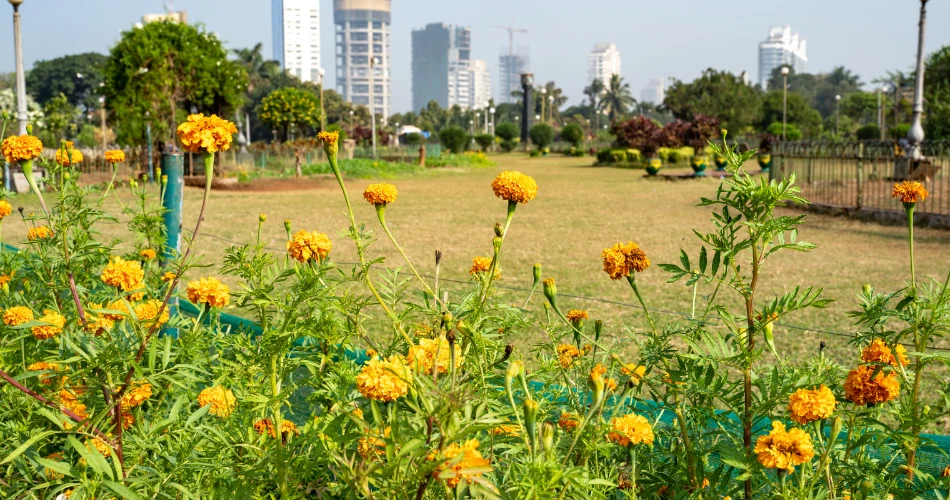
Ağaçlı Bahçeler, teraslı düzenleri sayesinde öne çıkar; bu düzen, bahçelerin tepenin üzerinde "asılı" olduğu illüzyonunu yaratır. Çimenler titizlikle bakımlıdır, geometrik şekillerdeki çiçek yatakları, yemyeşil halılar ve fil, tavus kuşu ve develer gibi çeşitli hayvan şekillerine heykeltraş edilmiş çitlerle doludur—hem çocukları hem de yetişkinleri mutlu eder.
Bahçelerde ayrıca ünlü bir çiçek saati bulunmaktadır; mevsimlik çiçeklerle tasarlanmış dairesel bir yatak, aynı zamanda bir zaman ölçer olarak işlev görür. Bu sanatsal özellikler mekanın cazibesini artırır, onu sadece doğal bir sığınak değil, aynı zamanda yaratıcılık alanı haline getirir.
Kültürel ve Sosyal Önemi
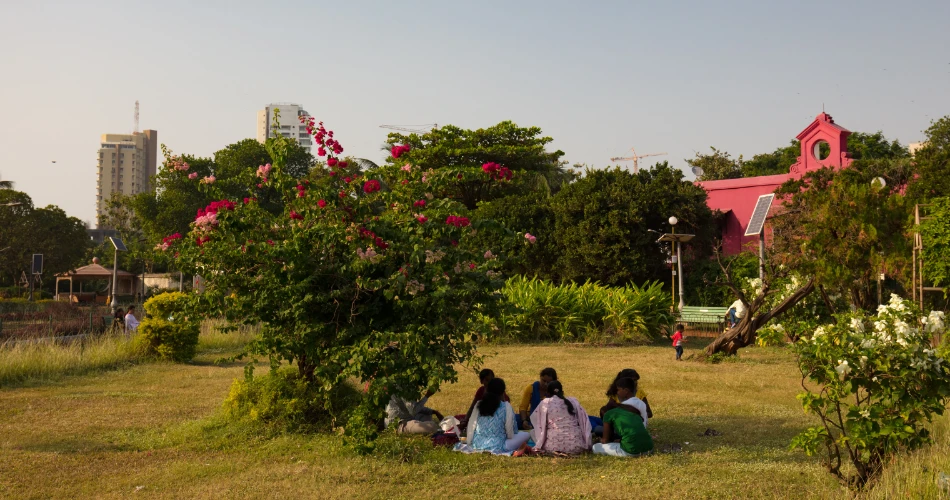
Doğal güzelliğinin ötesinde, Asma Bahçeler Mumbai'nin kültürel dokusunda özel bir yere sahiptir. On yıllardır aileler burada piknik yapmak, yoga seansları düzenlemek veya akşam yürüyüşleri yapmak için bir araya geliyor. Fotoğrafçılar, canlı arka planında nişan fotoğrafları çekiyor, okul grupları ise doğa ve miras hakkında bilgi edinmek için ziyaret ediyor.
Ayrıca, bahçeler Mumbai'nin modernite ile geleneği dengeleme ruhunu simgeliyor. Şehrin hızlı büyümesine rağmen, bu yeşil alan sürdürülebilir kamu alanlarının gerekliliğinin hatırlatıcısı olarak yaşamaya devam ediyor. Birçok yerel halk hala burayı ruhsal bir inziva yeri olarak görüyor; burada durup düşünmek ve doğayla yeniden bağlantı kurmak mümkün.

Aşırı Bahçeleri Ziyaret: Ne Beklemeli
Aşırı Bahçeler her gün, genellikle sabah 5:00'ten akşam 9:00'a kadar açıktır ve giriş ücretsizdir. Sabah erken saatler koşucular ve spor tutkunları için idealdir, akşam saatleri ise gün batımını izlemek için en iyisidir. Turistler genellikle ziyaretlerini Malabar Hill içinde bulunan Kamala Nehru Parkı ve Banganga Tank gibi yakın atraksiyonlarla birleştirirler.
İyi döşenmiş yürüyüş yolları, dinlenmek için banklar ve piknikler için gölgeli köşeler bekleyin. Bahçeler bir konut alanında bulunduğundan, atmosfer genellikle huzurludur ve tüm yaş grupları için davetkar bir alan sunar.
Malabar Hill Çevresindeki Yakınlardaki Cazibe Merkezleri
Asma Bahçeleri ziyareti, Malabar Hill'in diğer öne çıkan yerlerini keşfetmekle en iyi şekilde birleştirilir. Yakındaki Kamala Nehru Parkı, Marine Drive'ın panoramik manzaralarını sunarken, tarihi Banganga Tankı ziyaretçileri Mumbai'nin ruhsal geçmişine daldırır. Bölgedeki Walkeshwar Tapınağı ve Jain Tapınağı kültürel derinlik katmaktadır.
Bu cazibe merkezleri grubu, Malabar Hill'i mutlaka ziyaret edilmesi gereken bir mahalle haline getiriyor; burada yeşillik, ruhsallık ve tarih güzel bir şekilde birleşiyor. Turistler genellikle burada sunulan çeşitli deneyimlerin tadını çıkarmak için yarım gün planlıyorlar.
Ağaçlandırılmış Bahçelerin Bugünkü Önemi
Açık alan eksikliği nedeniyle sıkça eleştirilen bir metropolde, Ağaçlandırılmış Bahçeler Mumbai için yeşil bir akciğer işlevi görüyor. Hem bir rekreasyon merkezi hem de şehrin dayanıklılığını ve kentsel planlamadaki öngörüsünü simgeleyen yaşayan bir miras alanı olarak hizmet ediyorlar.
Sürdürülebilir şehirler etrafındaki tartışmalar hız kazandıkça, Ağaçlandırılmış Bahçeler işlevselliğin ve güzelliğin nasıl bir arada var olabileceğini göstererek kentsel planlayıcılara ilham vermeye devam ediyor. Doğanın, beslenildiğinde dünyanın en yoğun şehirlerinden birinin kalbinde bile nasıl gelişebileceğini hatırlatıyorlar.
Sonuç
Mumbai'nin Asma Bahçeleri sadece bir turistik cazibe değil—aynı zamanda tarih, mimari ve doğal güzelliklerin yaşayan bir karışımıdır. Arap Denizi'ne bakan bu bahçeler, yerel halk için huzur, turistler için hayranlık ve şehir planlayıcıları için ilham sunmaktadır. Mumbai'yi keşfeden herkes için burayı ziyaret etmek sadece önerilmez, şehrin yeşil ruhunu deneyimlemek için gereklidir.